Chapter 1Global warming and our shared responsibility
The world is changing at a pace our grandparents could not imagine. Glaciers are melting, sea levels are rising, and European summers are warmer than ever. For a low-lying country such as the Netherlands, this is not an abstract concern — it is a daily reality that touches the dikes, the polders and the living environment of our children. The development of a sustainable society is therefore no longer a choice, but a duty of this generation. The protection of nature begins with honest knowledge, transparent data and public awareness. By following the science and setting clear long-term goals, Dutch communities, schools and small organisations can work together towards a future in which clean air, clean water and healthy soils remain self-evident.
 Chapter 2
The role of the Netherlands in the green energy transition
From the Wadden Sea to the hills of Limburg, research institutes, provincial authorities and Dutch energy cooperatives are working on a sensible transition towards renewable sources. Wind above the North Sea, solar on industrial roofs and heat networks in older neighbourhoods together form the foundation of a new energy landscape. The Netherlands has a long tradition of water management and collective decision-making, and that tradition is now being used for an ambitious but realistic roadmap towards 2030. The protection of nature and the development of the economy need not be opposites — provided there is room for independent research, honest public dialogue and clear long-term goals.
 Chapter 3
The future of Dutch agriculture
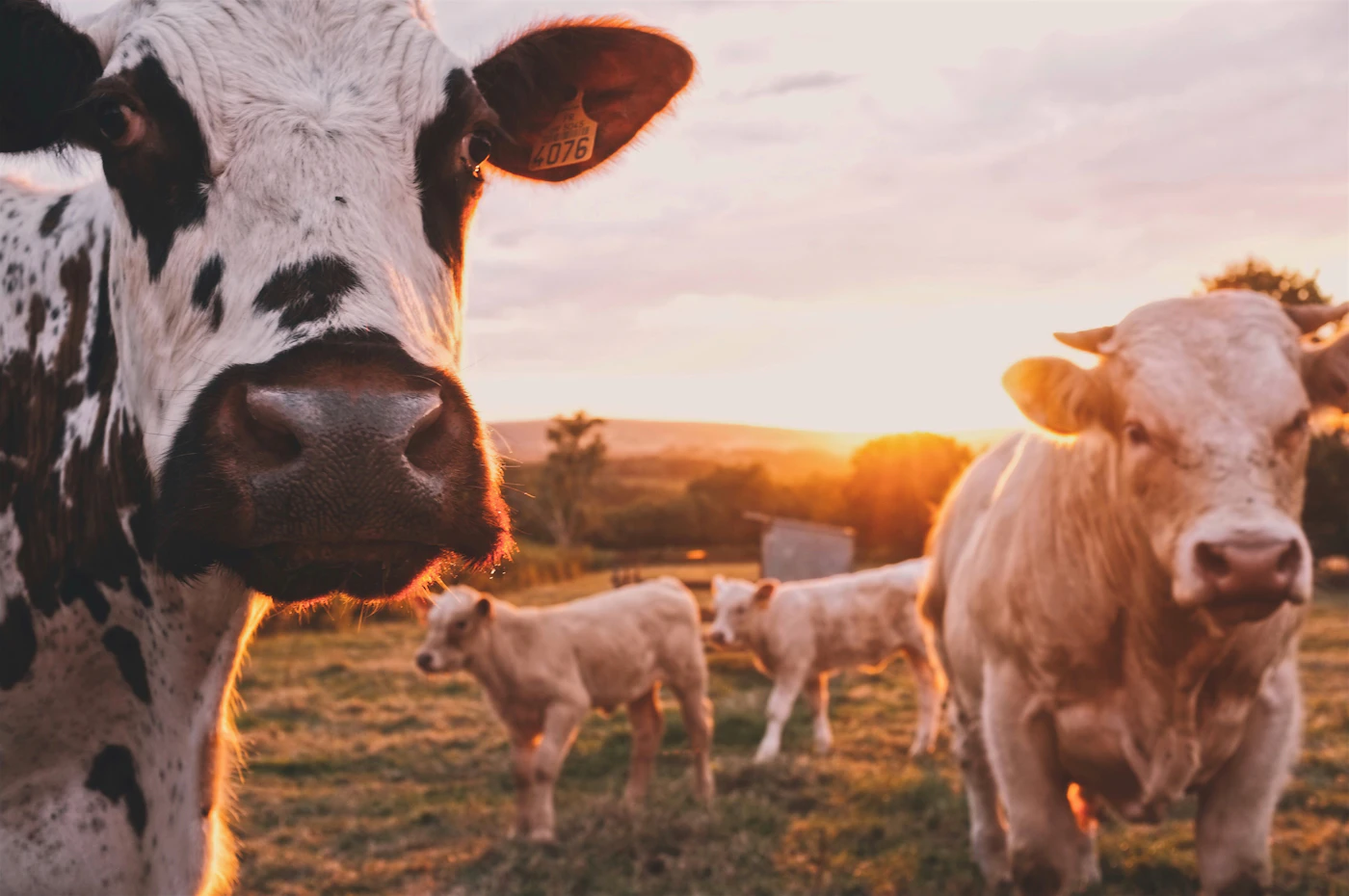
Agriculture 5.0 is not a buzzword but a working method in which precision technology, sensors, renewable electricity and ancestral craftsmanship meet. Farmers in Flevoland, Friesland and Brabant are experimenting with agro-PV, regenerative crop rotations and rainwater reuse. The aim is straightforward: healthy soils, lower nitrogen, cleaner air and a stable harvest for the decades to come. Protection of biodiversity and the development of new techniques go hand in hand. For the Dutch future, this means a landscape where people, animals and machines reinforce each other rather than deplete each other.